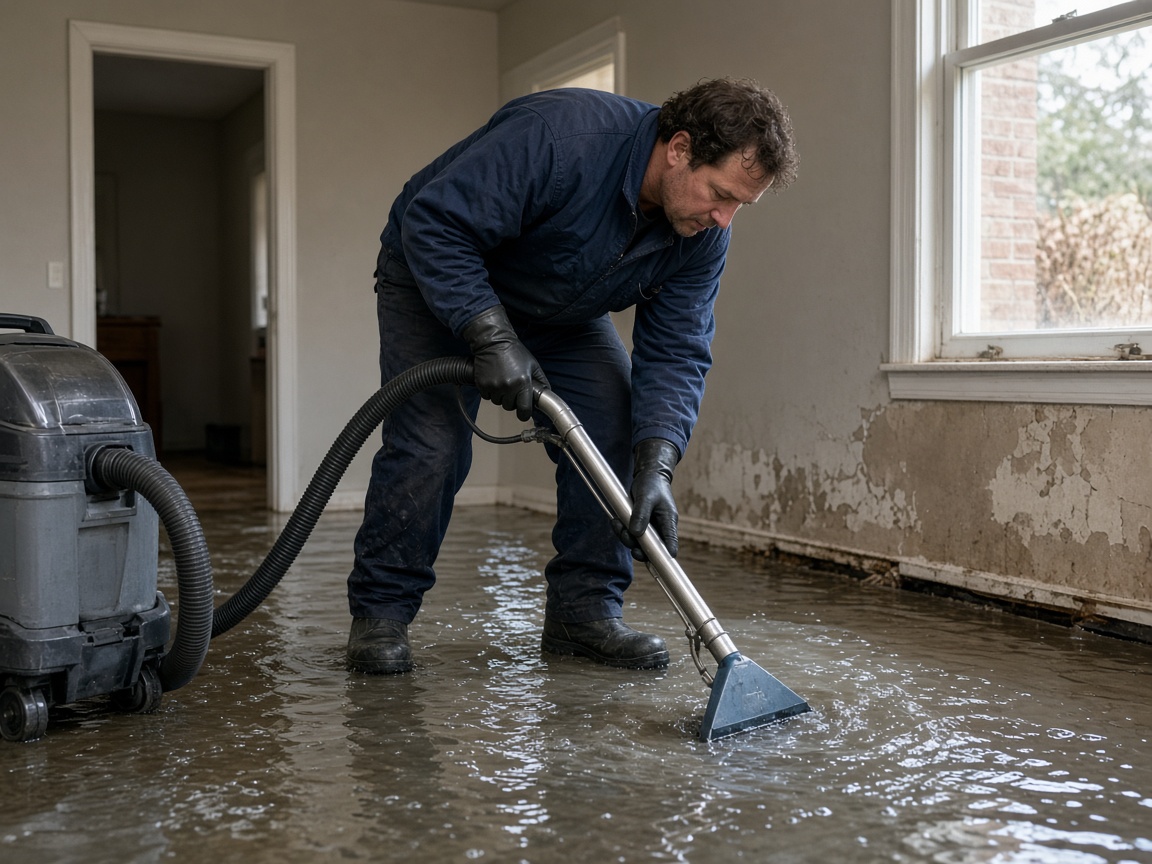
Homes in 46. Hobbs sit on the west side of Lubbock along County Rd 7000 and nearby rural edges. High winds whip across open lots, driving rain under eaves and into older crawlspaces common in this neighborhood's 1970s-1980s brick houses. Cold winter snaps freeze standing water from summer storms, cracking slabs and pushing moisture into walls. Our crew at 7477 County Rd 7000 reaches these streets quickly, extracting water before it spreads to neighboring lots with shared drainage ditches.
Frequent Lubbock wind events turn small roof leaks into soaked attics fast in 46. Hobbs. We focus on the area's clay-heavy soil that holds water against foundations after heavy rains, then dries and shifts. This pattern repeats each season, so we extract, dry, and treat affected joists and subfloors on site rather than relying on distant crews unfamiliar with these access roads and lot layouts.
Residents along the 46. Hobbs corridors call us when monsoon-style summer downpours overwhelm gutters on single-story homes. We document moisture in drywall and carpet pads, then set drying equipment sized for the open floor plans typical here. Same-day response from our 79407 base keeps secondary damage from reaching nearby properties during the next high-wind front.
Around 46. Hobbs
We regularly work near:
- 📍County Rd 7000
- 📍82nd Street
- 📍Frankford Avenue
- 📍West Lubbock drainage ditches
Water Damage Restoration in 46. Hobbs — Local Notes
- •Open lots and wind exposure in 46. Hobbs push water under siding and into attics faster than in denser Lubbock neighborhoods.
- •Clay soil along County Rd 7000 holds moisture against pier-and-beam foundations, requiring extra drying time after winter freezes.
- •Narrow rural driveways limit equipment access, so we stage dehumidifiers on the street side and run hoses to interior rooms.
- •Older brick homes here often lack modern vapor barriers, letting wind-driven rain reach insulation that must be removed section by section.